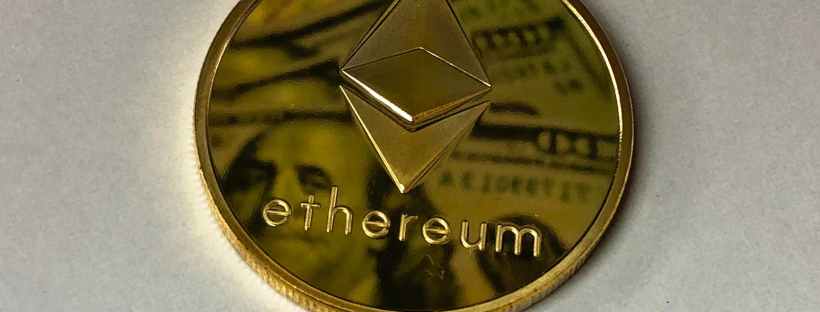
In a proof-of-stake system, users “stake” cryptocurrency as a form of guarantee to help secure and confirm new data blocks. With Shanghai, users can “unstake” Ethereum (ETH) in the form of partial withdrawals or full withdrawals.
But, interestingly, a mass withdrawal is unlikely to occur. First, to withdraw ETH as a validator, users are required to wait in the ‘exit queue.’ The exit queue is determined by the network’s ‘churn limit,’ a limit on the number of validators that can exit at once. The exit queue is designed to ensure stability and functionality of the blockchain. Second, a “withdrawal period,” occurs after the exit queue, further explained below.
A partial withdrawal is when stakers take out the rewards they earned from staking but leave the original ether that was staked. While partial withdrawals became accessible when the upgrade was triggered, the Ethereum blockchain can only process 16 partial withdrawal requests in a single slot (which happens every 12 seconds). As a result, partial withdrawals could take hours. On the other hand, full withdrawals – where stakers also redeem their original principal – do not happen automatically, so those validators that want to exit must send a message to the blockchain to get added to the queue.
Also–quick sidenote–but, did you know there was a Shapella Mainnet Watch Party hosted by Ethereum Cat Herders???
So, what’s next for the Ethereum blockchain? Co-founder of the Ethereum blockchain Buterin said that scaling – making transactions faster and cheaper – will be the next issue that the blockchain tackles after Shanghai –– along with new crypto lingo, of course . . .
Happy exploring (& withdrawing)! I’ll check back in soon.
 on court with steph